
Introduction
Businesses today rely heavily on fast, reliable internet connectivity to support websites, cloud applications, customer portals, communication platforms, and remote work environments. While many organizations focus on hosting infrastructure and network security, fewer understand the role that Internet Exchange Points play in delivering efficient online experiences.
The speed at which data travels across networks can directly influence customer satisfaction, application performance, and business productivity. Understanding how internet traffic is exchanged between networks can help organizations make informed infrastructure decisions that support long-term growth and operational efficiency.
What Are Internet Exchange Points?
An Internet Exchange Point (IXP) is a physical location where multiple internet service providers, network operators, and content delivery networks connect to exchange traffic directly.
Instead of sending data through multiple intermediary networks, participating organizations can route traffic more efficiently through a shared exchange environment.
This process helps reduce unnecessary network hops and improves the overall efficiency of internet communications.
Key Functions of an IXP
Direct traffic exchange between networks
Reduced network congestion
Improved routing efficiency
Lower latency
Enhanced redundancy
Internet Exchange Points have become a critical component of modern internet infrastructure.
Why Network Efficiency Matters
Every online interaction involves data traveling between users and servers. Whether someone is browsing a website, making an online purchase, or accessing cloud-based software, network efficiency affects how quickly information is delivered.
Businesses that depend on real-time applications often experience the greatest benefits from optimized network connectivity.
Common examples include:
SaaS platforms
Financial systems
Customer relationship management tools
E-commerce websites
Remote access solutions
Faster and more direct routing can improve responsiveness and contribute to a better user experience.
How Internet Exchange Points Reduce Latency
Latency measures the time required for data to travel from one point to another. When traffic follows inefficient routes, response times can increase significantly.
Internet Exchange Points help reduce latency by enabling networks to exchange traffic directly rather than relying on multiple third-party transit providers.
Comparison of Routing Methods
Routing MethodNetwork HopsTypical PerformanceDirect Exchange Through IXPFewerFasterMultiple Transit NetworksMoreSlowerOptimized Regional RoutingFewerMore ConsistentLong Indirect Routing PathsMoreLess Predictable
Reducing unnecessary routing steps can help businesses maintain better performance and reliability.
The Relationship Between IXPs and Business Performance
Network performance influences more than website loading times. It also affects customer engagement, employee productivity, and application responsiveness.
Businesses operating critical online services often evaluate infrastructure options such as dedicated server Chicago deployments because Chicago remains one of the most important connectivity and internet exchange hubs in North America.
Access to strong network ecosystems can contribute to:
Faster application response times
Improved customer experiences
Better uptime performance
More efficient traffic delivery
Greater scalability
These advantages become increasingly important as digital operations expand.
Why Strategic Infrastructure Location Matters
The location of hosting infrastructure can influence how efficiently traffic moves across networks. Businesses serving regional or national audiences often benefit from selecting infrastructure that provides strong connectivity to major network hubs.
Organizations looking to improve nationwide performance frequently evaluate options such as a dedicated server Dallas solution because Dallas serves as a major connectivity corridor linking multiple regions of the United States.
When infrastructure is positioned near important network exchange ecosystems, businesses may experience:
Improved routing efficiency
Reduced network delays
Better application performance
More reliable connectivity
Greater operational flexibility
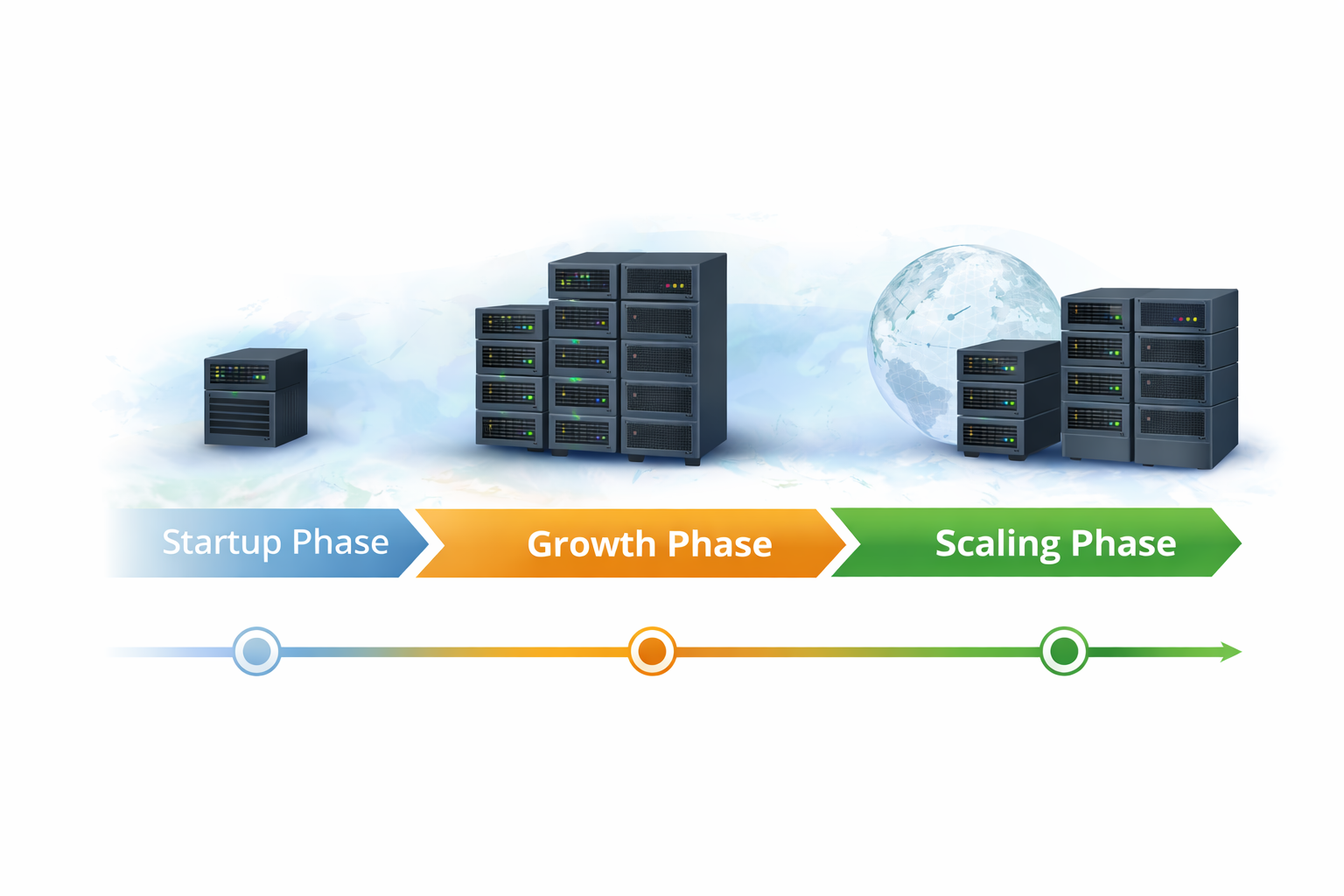
Internet Exchange Points and Scalability
As businesses grow, traffic volumes often increase significantly. Infrastructure that performs well under current conditions may struggle to support future demand.
Internet Exchange Points help support scalability by providing efficient traffic exchange capabilities and reducing dependence on single routing paths.
Benefits for growing businesses include:
Improved network resilience
Better traffic distribution
Enhanced redundancy
Greater flexibility for expansion
These advantages can help organizations maintain consistent performance while supporting business growth.
Evaluating Connectivity for Business Applications
When assessing infrastructure performance, organizations should consider more than server specifications.
Important factors include:
Network proximity
Routing efficiency
Carrier diversity
Redundancy
Internet exchange access
Monitoring these areas can help identify opportunities for performance improvements and better user experiences.
Conclusion
Internet Exchange Points play a critical role in the modern internet ecosystem by helping networks exchange traffic more efficiently. Through improved routing, reduced latency, and enhanced connectivity, IXPs contribute to faster application performance and more reliable digital experiences.
Businesses evaluating infrastructure strategies should consider how network connectivity influences customer satisfaction and operational efficiency. Understanding concepts such as best server location USA vs Europe can also provide valuable insight when comparing infrastructure options for both domestic and international audiences.
Organizations that prioritize connectivity, routing efficiency, and strategic infrastructure placement are better positioned to deliver consistent performance in an increasingly connected world.
Frequently Asked Questions
What is an Internet Exchange Point?
An Internet Exchange Point is a physical location where networks connect to exchange internet traffic directly, improving routing efficiency and reducing latency.
How do IXPs improve network performance?
IXPs reduce the number of intermediary networks involved in data transmission, which can improve speed and reliability.
Why are Internet Exchange Points important for businesses?
They help support faster application performance, lower latency, improved connectivity, and greater network resilience.
Does server location affect connectivity?
Yes. Infrastructure positioned near major network hubs can often provide more efficient routing and improved performance.
How can businesses reduce latency?
Businesses can reduce latency through strategic infrastructure placement, optimized routing, and access to strong network ecosystems.
Are Internet Exchange Points important for cloud applications?
Yes. Many cloud-based services rely on efficient traffic routing to maintain performance and responsiveness.






Write a comment ...