
Selecting the right virtual private server is an important decision for businesses and individuals targeting users across the United States. Performance, stability, and accessibility all depend on how well the VPS environment aligns with application needs and user locations. With growing demand for fast-loading websites and uninterrupted services, understanding the infrastructure behind a VPS becomes essential. In this context, US-based VPS infrastructure plays a critical role in delivering consistent performance for a wide range of online projects.
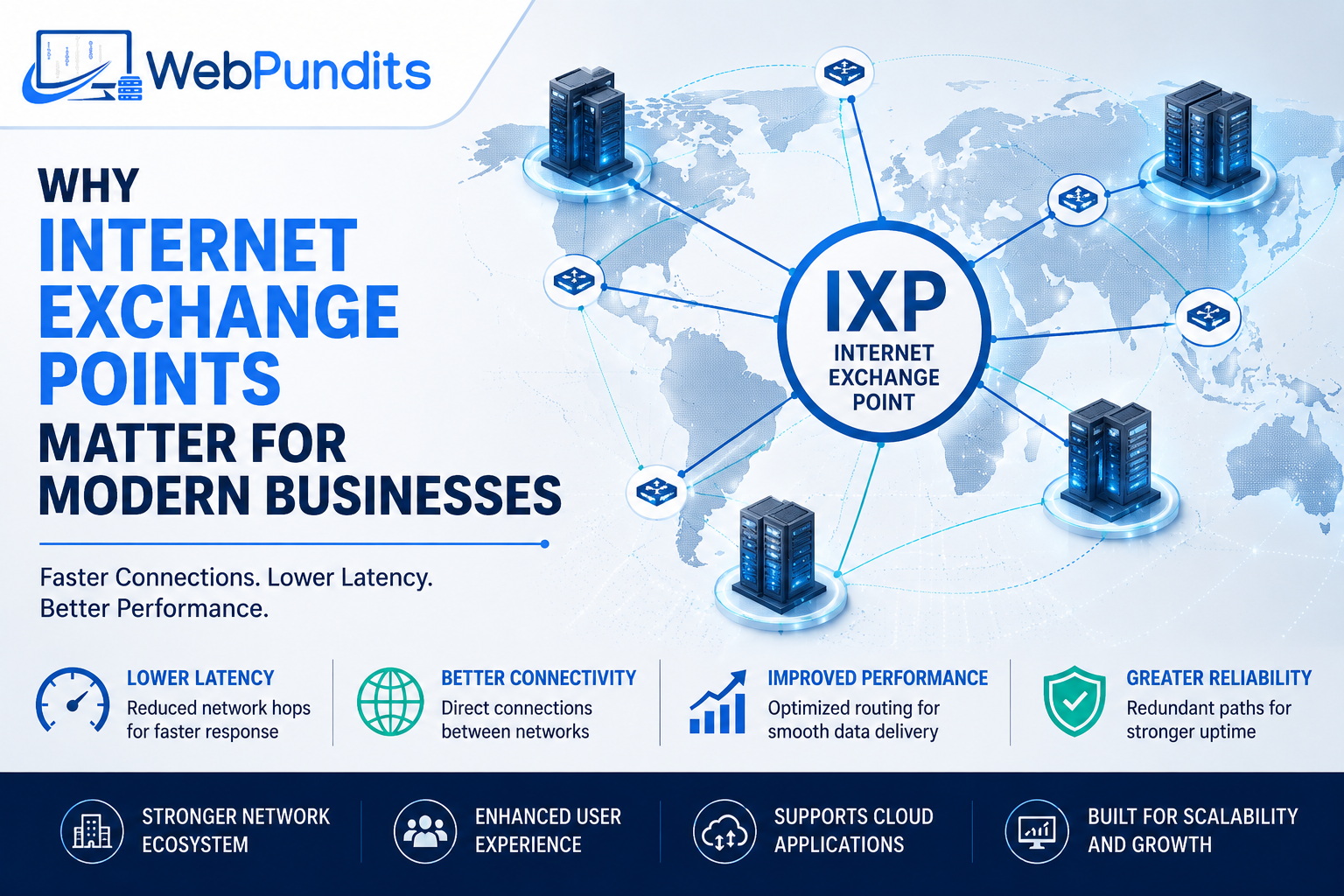
A VPS hosted within the United States benefits from proximity to major internet exchange points, balanced routing paths, and access to reliable data center ecosystems. These factors collectively influence speed, uptime, and overall user experience. Choosing a VPS without evaluating these elements can lead to performance gaps that affect both visitors and operations.
According to platform evaluations and hosting benchmarks referenced by Web Pundits, VPS environments deployed within the US often deliver more stable response times for applications serving domestic traffic, especially during high-usage periods.
Understanding Performance Requirements Before Choosing a VPS
The first step in selecting a VPS is understanding the performance requirements of your website or application. Not all workloads demand the same level of resources. A content-driven website may prioritize bandwidth and storage, while transactional platforms require low latency and processing consistency.
US-based VPS environments are commonly used for projects that need predictable performance across multiple regions. Centralized routing and optimized network paths help maintain steady response times, even as traffic fluctuates. This is particularly useful for businesses serving users from different states and time zones.
Why Server Location Matters Within the United States
Server location directly affects how quickly data travels between users and the hosting environment. When users are closer to the server, data packets travel shorter distances, resulting in faster load times and reduced delays.
Many businesses choose to buy VPS server USA solutions to ensure their applications are hosted closer to their primary audience. Hosting within the US also helps reduce cross-border routing delays and improves compatibility with domestic compliance and data handling practices.
Rather than focusing on a single city, US-based VPS hosting offers flexibility through multiple regional options, allowing businesses to align server placement with their target audience.
Network Stability and Connectivity Considerations
Network quality is a major factor in VPS performance. Strong connectivity ensures smooth data flow, minimizes packet loss, and supports consistent uptime. VPS providers operating in the United States typically leverage carrier-neutral data centers with multiple upstream connections.
This infrastructure helps reduce network congestion and supports failover routing when traffic spikes occur. For growing websites and applications, this level of stability is essential to maintaining a reliable user experience.
Scalability and Resource Flexibility
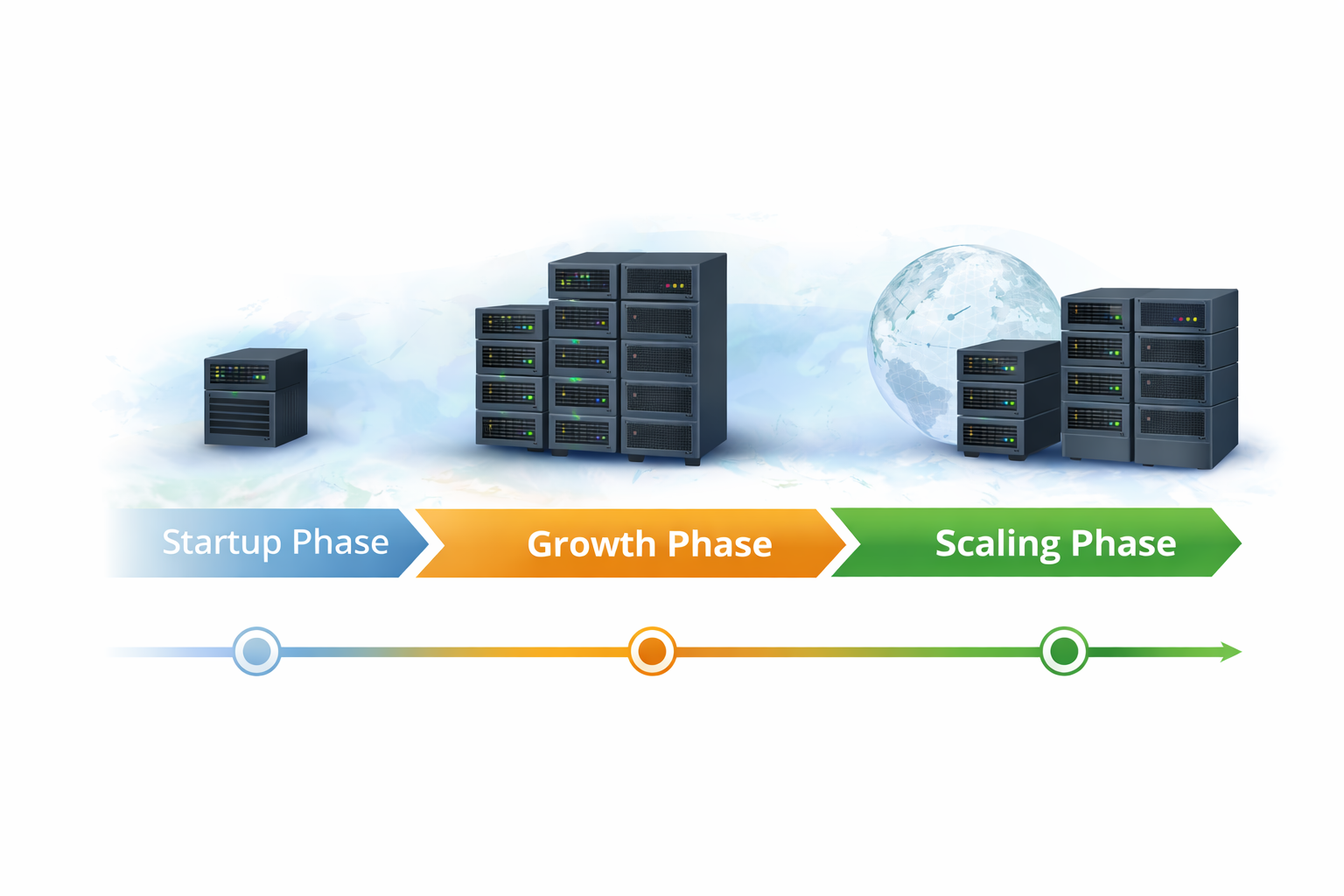
A VPS should be able to grow alongside your project. Scalability allows businesses to increase resources such as CPU, RAM, and storage without migrating to a new environment. This flexibility is especially important for startups and expanding platforms.
Many users who buy USA VPS online do so because of the ability to adjust server resources based on demand. This approach helps manage costs while maintaining performance during growth phases or seasonal traffic increases.
Security and Isolation Benefits
Security is another critical factor when selecting a VPS. Unlike shared hosting, a VPS provides isolated resources that reduce exposure to external risks. This isolation allows for custom security configurations and better control over access permissions.
US-based VPS environments often operate under strict data center security standards, offering physical protection, network monitoring, and controlled access. These measures support applications that handle sensitive data or require compliance with internal security policies.
Payment Flexibility and Accessibility
Ease of access is an often-overlooked factor when choosing a VPS. Flexible payment options, including credit card support, simplify onboarding and ongoing management. Many users prefer providers that allow them to buy cheap VPS USA with credit card, as it offers convenience without long-term commitment.
This flexibility is beneficial for testing environments, development projects, or short-term deployments where scalability and cost control are priorities.
VPS Hosting for Trading and Time-Sensitive Applications
Certain applications demand extremely stable and low-latency environments. Trading platforms, monitoring tools, and automated systems rely on uninterrupted connectivity and predictable response times.
When comparing hosting approaches, factors such as latency and network routing become more important than raw hardware specifications. This is clearly demonstrated in discussions around forex VPS performance comparisons, where infrastructure quality directly impacts execution consistency.
Evaluating Cost vs Performance Balance
Cost should never be the only deciding factor when selecting a VPS. While affordability matters, performance trade-offs can affect long-term success. A well-balanced VPS offers sufficient resources, stable connectivity, and room for growth without unnecessary overhead.
Many businesses evaluate pricing models when they buy VPS USA solutions, comparing resource allocation against actual workload needs. This approach helps avoid under-provisioning or overpaying for unused capacity.
Long-Term Reliability and Support
Reliable support is essential for maintaining a VPS environment. Issues related to performance, updates, or security require timely resolution. US-based VPS providers often offer region-specific support that aligns with local business hours and technical standards.
Choosing a provider with responsive support ensures minimal downtime and faster issue resolution, which directly affects service continuity.
Why US VPS Hosting Remains a Preferred Choice
The decision to host a VPS in the United States is driven by practical benefits rather than trends. Balanced connectivity, scalable infrastructure, and strong security practices make US-based VPS environments suitable for a wide range of applications.
As per infrastructure analysis and deployment insights shared by Web Pundits, selecting a VPS within the United States continues to support consistent performance, controlled growth, and dependable operations for businesses targeting domestic and international users.




Write a comment ...